
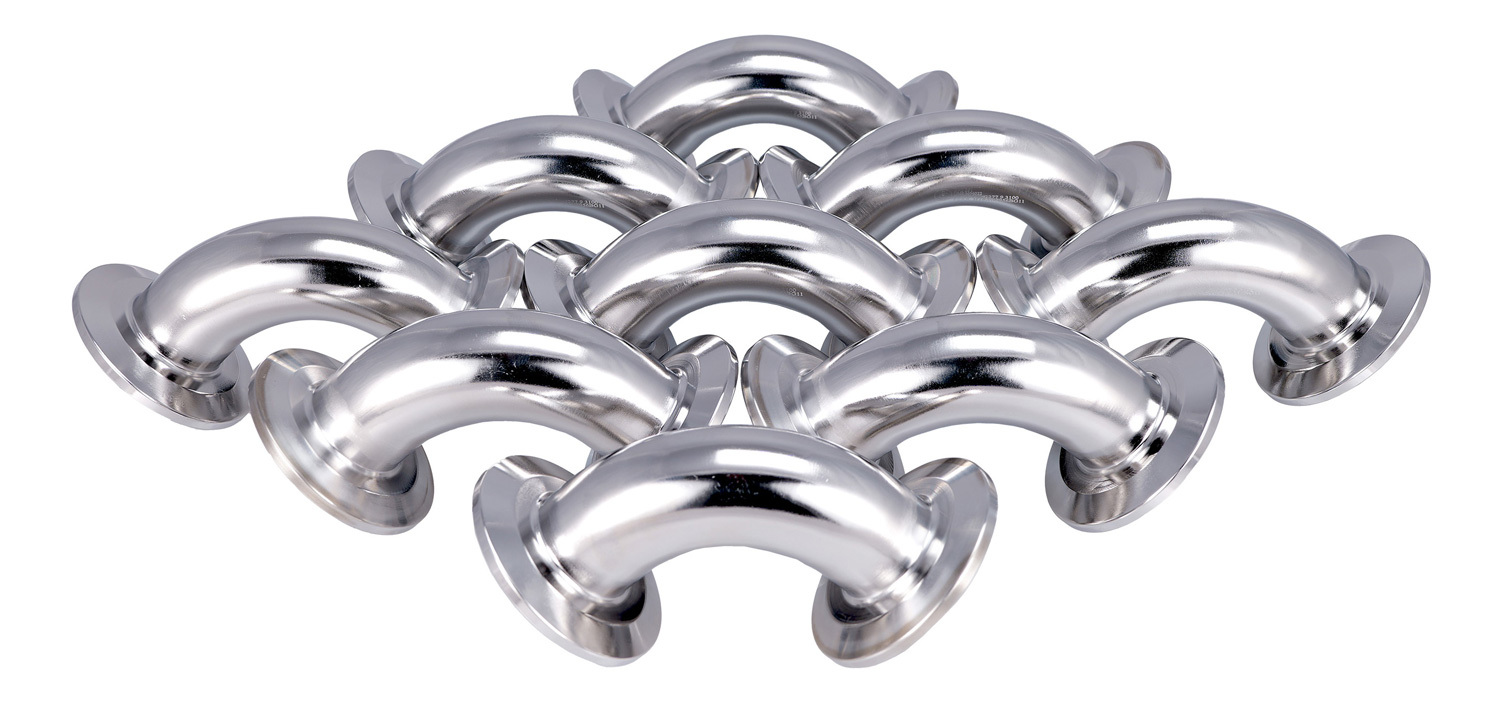
Data centers constantly evolve but require cooling systems to ensure peak performance and reliability. Servers generate substantial heat while continuously operating under demanding conditions, making the selection of materials for cooling infrastructure critical. Stainless steel alloys, particularly 304 and 316, are perfect for data cooling applications. Their outstanding durability, corrosion resistance, and thermal efficiency address the specific challenges of high heat loads, glycol-based cooling fluids, and the necessity for durability. Stainless steel alloys are fundamental to creating efficient, reliable, and scalable cooling systems in contemporary data centers.
Central States Industrial, a long-time leader in stainless steel processing systems, is a pioneer in stainless steel data center cooling systems. Decades of expertise in design, fabrication, and craftsmanship, along with a reliable supply chain and dedicated production facilities, make CSI the partner you want by your side as you scale a data center, whether it is a colocation, hyperscale, or edge/micro data center.
Confidence in your materials is just the start. Ensuring they arrive exactly when needed is what matters most. CSI’s reliable supply relationships, combined with team expertise, deliver unparalleled technical support to execute effectively. —Matthew Hoffman, Business Development Leader
The performance and longevity of data cooling systems are directly influenced by the materials used in their construction. Data centers demand consistent, high-performing cooling solutions to manage intense heat loads generated by densely packed servers and high-powered computing equipment. These systems operate continuously, often under extreme conditions, and are exposed to cooling fluids such as glycol-based solutions like DOWFROST™, which can exacerbate material wear and corrosion.
Selecting suboptimal materials can lead to costly failures in data center operations. For instance, copper piping systems may corrode under prolonged exposure to glycol-based fluids, causing leaks, reduced efficiency, and system downtime. Polypropylene, while inexpensive, lacks the durability and heat resistance required for high-demand cooling environments. Failures in these systems can disrupt operations, affecting the cooling system and the performance and safety of server equipment.
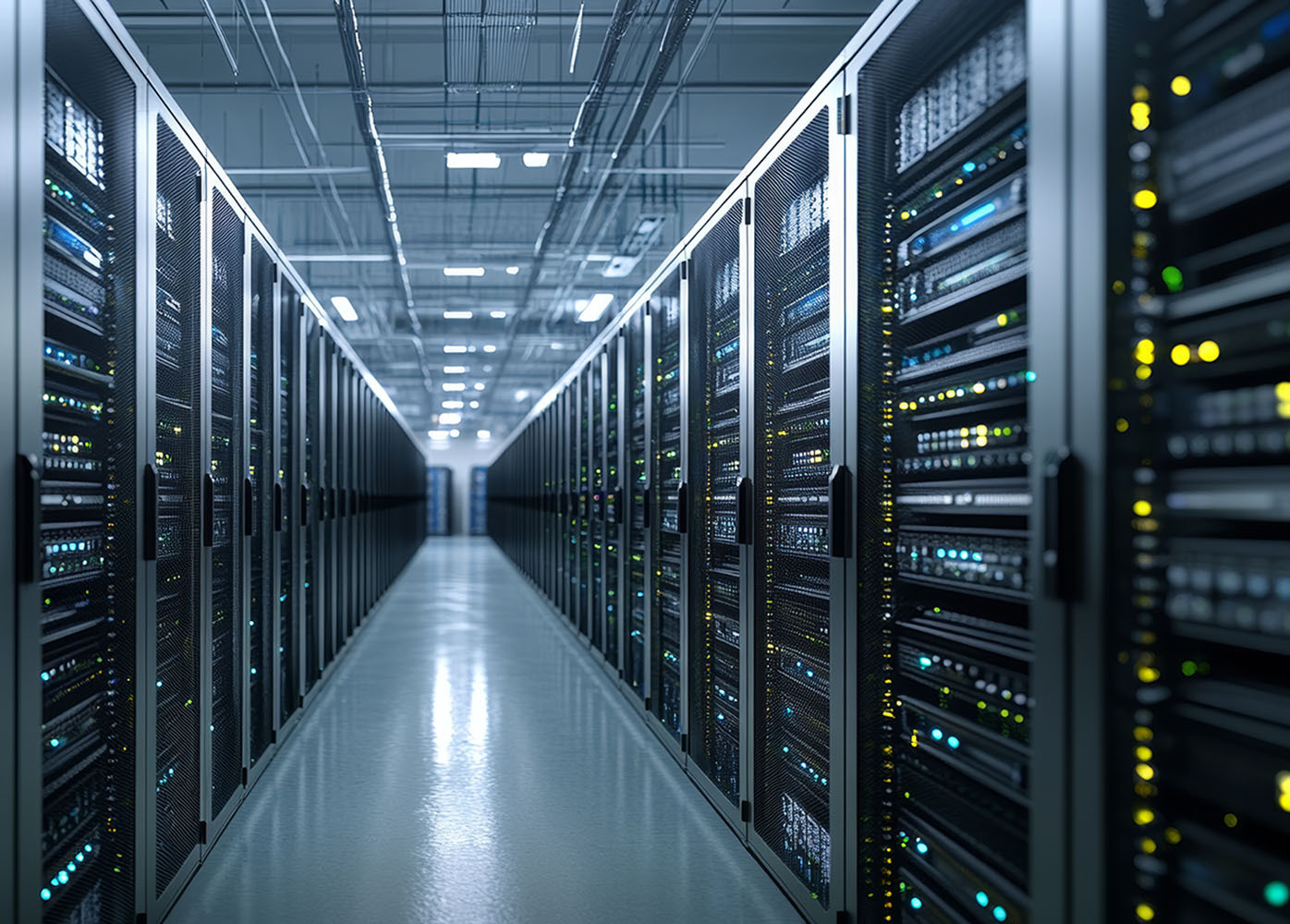
Central States Industrial provides data center cooling unit skids and other equipment, including liquid cooling fittings, stainless steel tubing, ball and butterfly valves, adapters, and custom piping manifolds. Ready to upgrade your cooling system? Partner with CSI for stainless steel solutions engineered for reliability and performance in high-demand environments. Request a quote today.
The thermal conductivity of stainless steel is crucial for its use in cooling systems. Although it does not match the thermal conductivity of copper, stainless steel compensates with greater durability and resistance to corrosion. These qualities ensure consistent heat transfer performance over time, making stainless steel a more dependable choice for long-term applications.
One often-overlooked advantage of austenitic stainless steel is its smooth surface, which minimizes the buildup of debris, scale, and biofilms. These deposits can decrease thermal efficiency and cause system inefficiencies. Stainless steel prevents fouling and lowers maintenance requirements by ensuring consistent heat transfer performance.
In the search for effective materials for data center cooling systems, copper, polypropylene, and stainless steel have all been assessed based on their thermal performance, durability, cost, and suitability for demanding environments. While copper and polypropylene have their benefits, they each lack in key areas where stainless steel shines.
Summary: Stainless steel stands out as the best material choice for mission-critical cooling systems. It merges thermal efficiency, durability, corrosion resistance, and sustainability—making it the most reliable and cost-effective solution for modern data centers.
While stainless steel has higher upfront costs, its long lifespan and minimal maintenance needs offer considerable savings. Its corrosion resistance and durability decrease maintenance costs.
Stainless steel is among the most sustainable materials available. It is fully recyclable without any loss of quality. Its extended lifecycle minimizes waste, aligning with eco-friendly practices.
Central States Industrial recently wrote a case study on a major data center that struggled with ongoing problems related to its copper cooling system. The system suffered regular leaks and corrosion caused by glycol-based fluids. CSI collaborated with the client to upgrade the system by installing custom stainless steel headers and piping assemblies.
Results acheived:
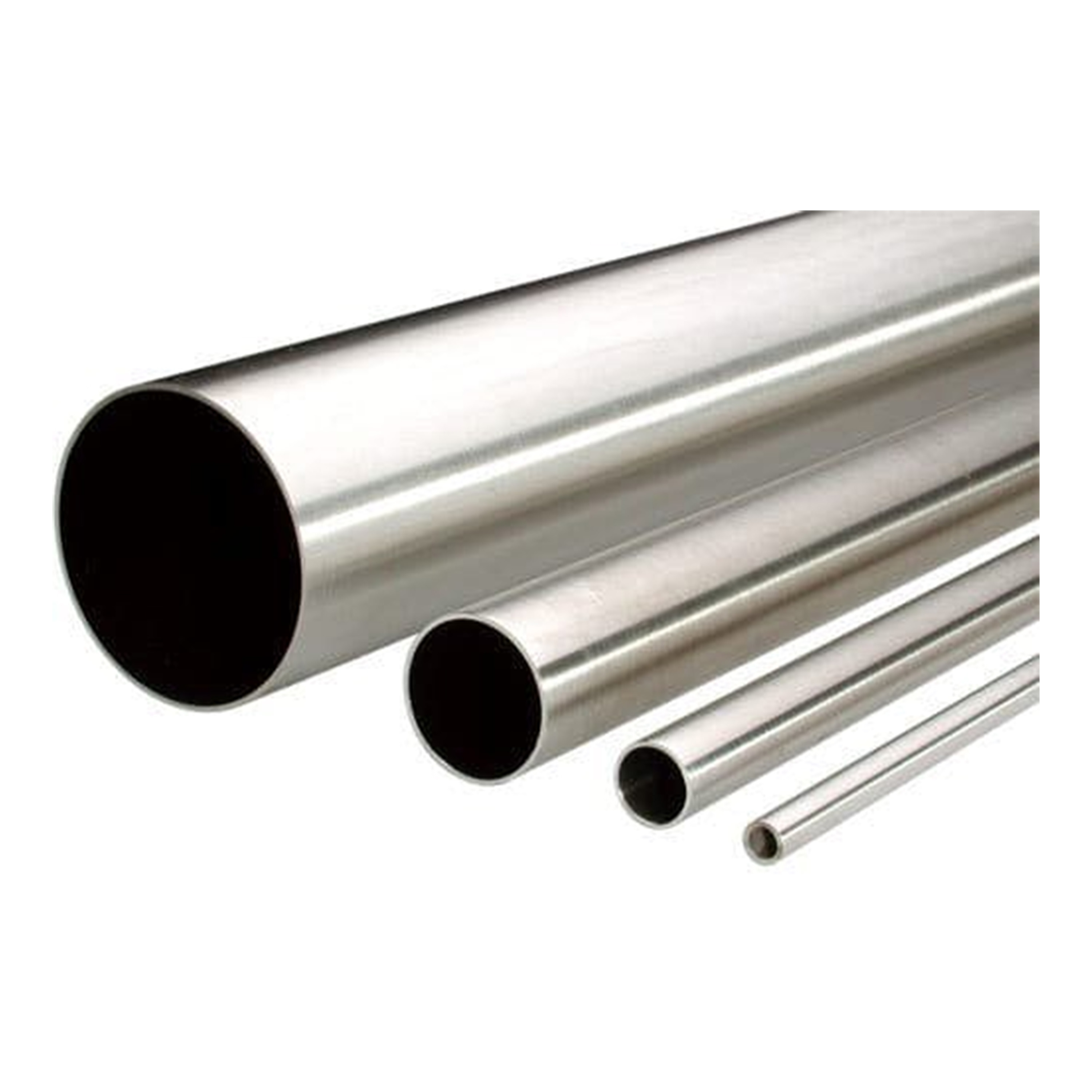
As technology progresses, data centers are increasingly adopting liquid cooling systems to handle the significant heat produced by high-performance computing. Stainless steel will continue to be essential in this evolution, supporting emerging technologies like immersion cooling and advanced modular systems.
Stainless steel, particularly 304 and 316 alloys, combines durability, thermal efficiency, and adaptability, making it the premier choice for data center cooling systems. Its corrosion resistance ensures long-term reliability, while its structural integrity and heat dissipation properties enable consistent performance under demanding conditions. CSI can help you optimize your data center cooling systems with efficient stainless steel solutions.

Absolutely. Its resistance to corrosion and fouling reduces the frequency of repairs, cleaning, and part replacements, minimizing maintenance costs and downtime.
Yes. While the initial cost is higher than polypropylene, stainless steel provides significant long-term savings through reduced maintenance, fewer replacements, and longer service life.
Copper has higher thermal conductivity (~400 W/m*K), making it excellent at heat transfer. However, stainless steel offers a more balanced solution, with good conductivity (~15-25 W/m*K), and far superior corrosion resistance, structural strength, and lifecycle reliability.
Material selection directly affects the efficiency, reliability, and lifespan of a cooling system. Poor material choices can lead to corrosion, leaks, and costly downtime, especially in glycol-based fluid environments.
Central States Industrial Equipment (CSI) is a leader in distribution of hygienic pipe, valves, fittings, pumps, heat exchangers, and MRO supplies for hygienic industrial processors, with four distribution facilities across the U.S. CSI also provides detail design and execution for hygienic process systems in the food, dairy, beverage, pharmaceutical, biotechnology, and personal care industries. Specializing in process piping, system start-ups, and cleaning systems, CSI leverages technology, intellectual property, and industry expertise to deliver solutions to processing problems. More information can be found at www.csidesigns.com.

-Outline-White.png)


